How is a citation different from a mention?
A mention is your brand name in the answer text. A citation is a link to a website in the same answer. They’re counted separately because they’re separate things.
All four combinations happen. You can be mentioned without being cited, when the model recommends you from what it already knows and links a review site instead. You can be cited without being mentioned, when the engine uses your page as evidence and then names a competitor.
Chasing citations won’t automatically raise your Visibility Score, and raising your Visibility Score won’t automatically get you cited. Track both. Understanding AI answers explains how each is detected.
The two numbers at the top
Citation Share is how often your own domain is the one being cited, out of every citation in the window. If nothing points at your domain this reads an honest 0%, not a dash. The data exists. You’re just not in it. Citation Rank is where your best-performing owned domain places among all the domains cited for your prompts. You’ll see a dash when none of the cited domains is yours. Turn on the compare toggle and both tiles gain a change chip against the previous period.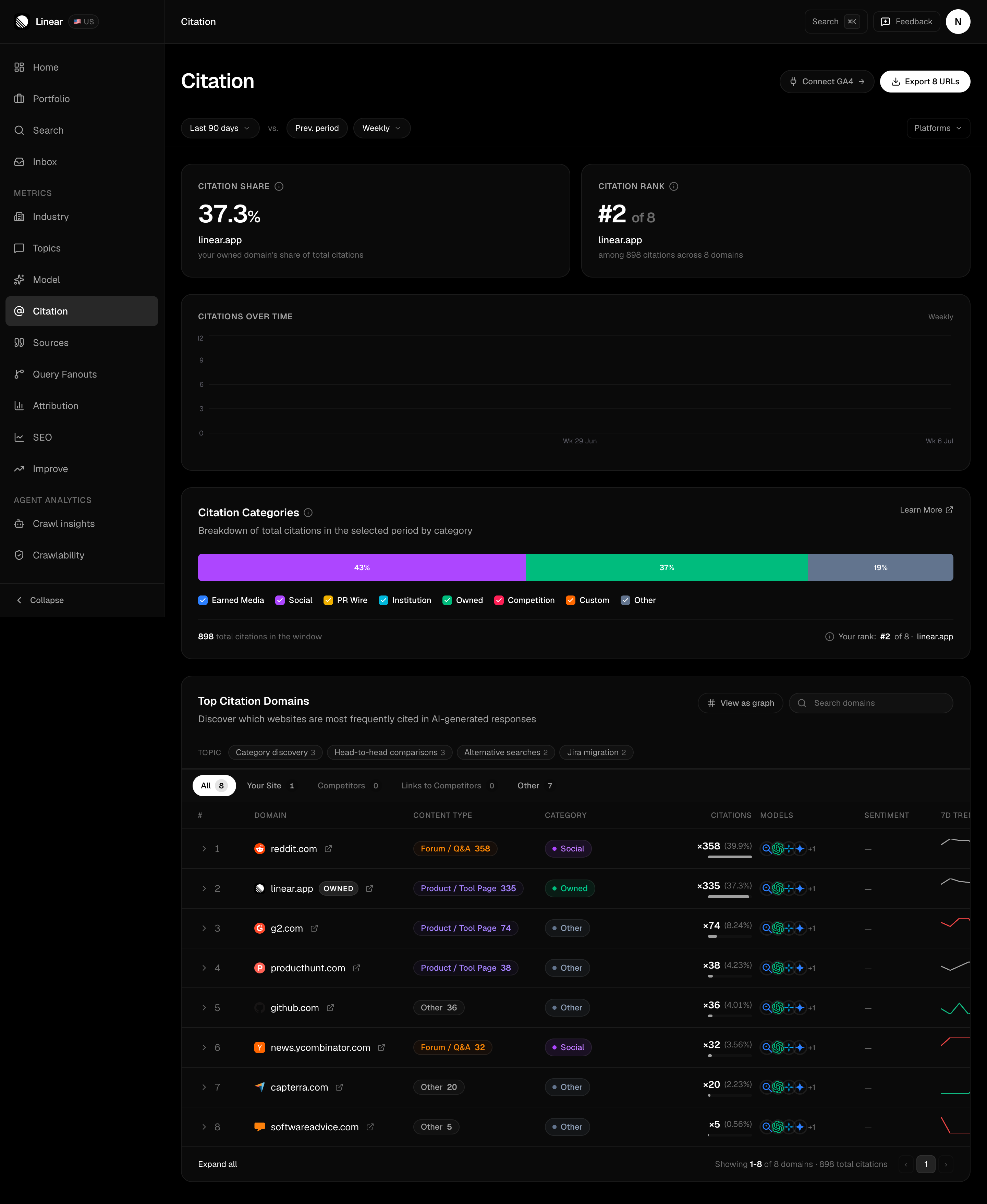
Both tiles sit above the category mix and the domains table. Here reddit.com out-cites the brand's own site, 358 to 335.
What are the citation categories?
Every cited domain lands in one of eight buckets: Earned Media, Social, PR Wire, Institution, Owned, Competition, Custom, Other. The stacked bar shows the mix. Categories are consistent, so a domain always lands in the same bucket and the mix stays comparable week to week. The mix tells you what kind of content wins in your category. Heavy on Social means forum threads and video decide your answers. Heavy on Earned Media means you need press and reviews.The domains table
Below the chart sits every cited domain in the window. Each row gives you rank, domain, content type, category, citations (with a share bar), the engines that cited it, sentiment, and a recent trend. Click a row to open that domain’s cited pages. There’s a quicker drilldown too. The chevron beside a domain’s rank expands an inline preview of its most-cited URLs, without leaving the table. Expand all in the table footer opens every row on the current page at once, and flips to Collapse all.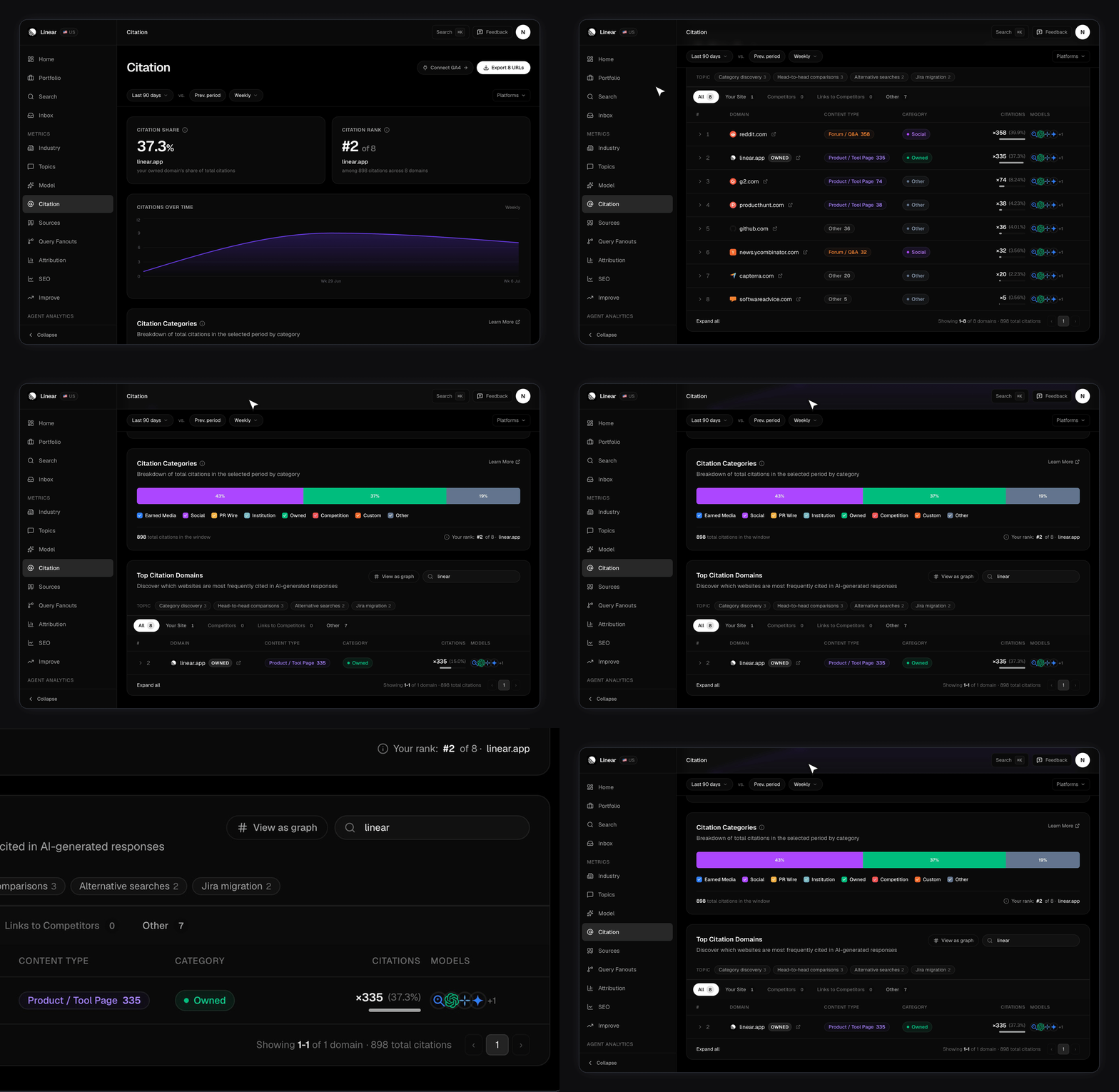
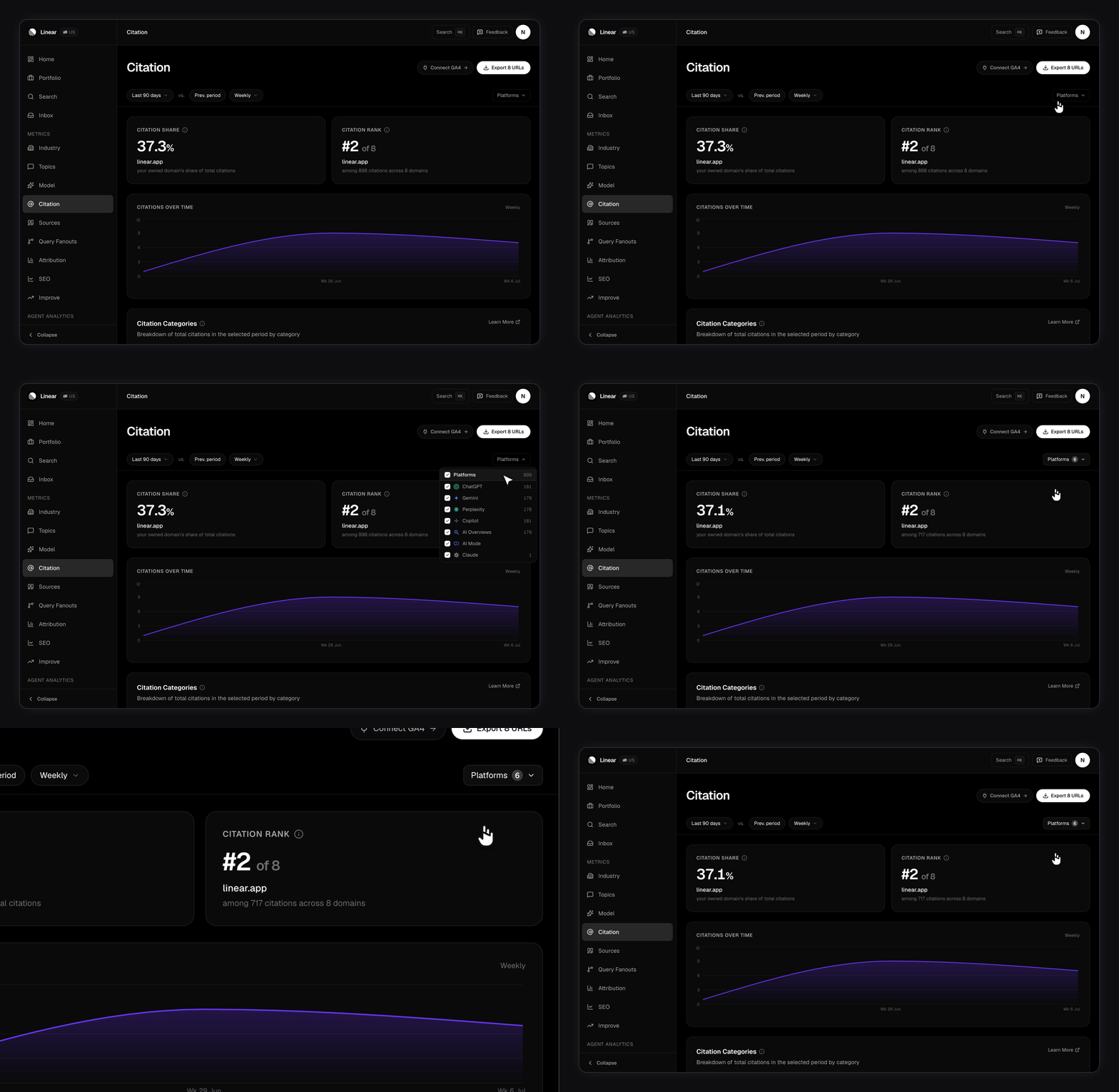
The Citation page reports on one brand at a time — whichever brand is currently selected. Switch brands from the Brands grid to re-scope every number on the page (the brand cell at the top of the sidebar is a link to that brand’s profile, not a switcher). See Managing brands.
The citation graph
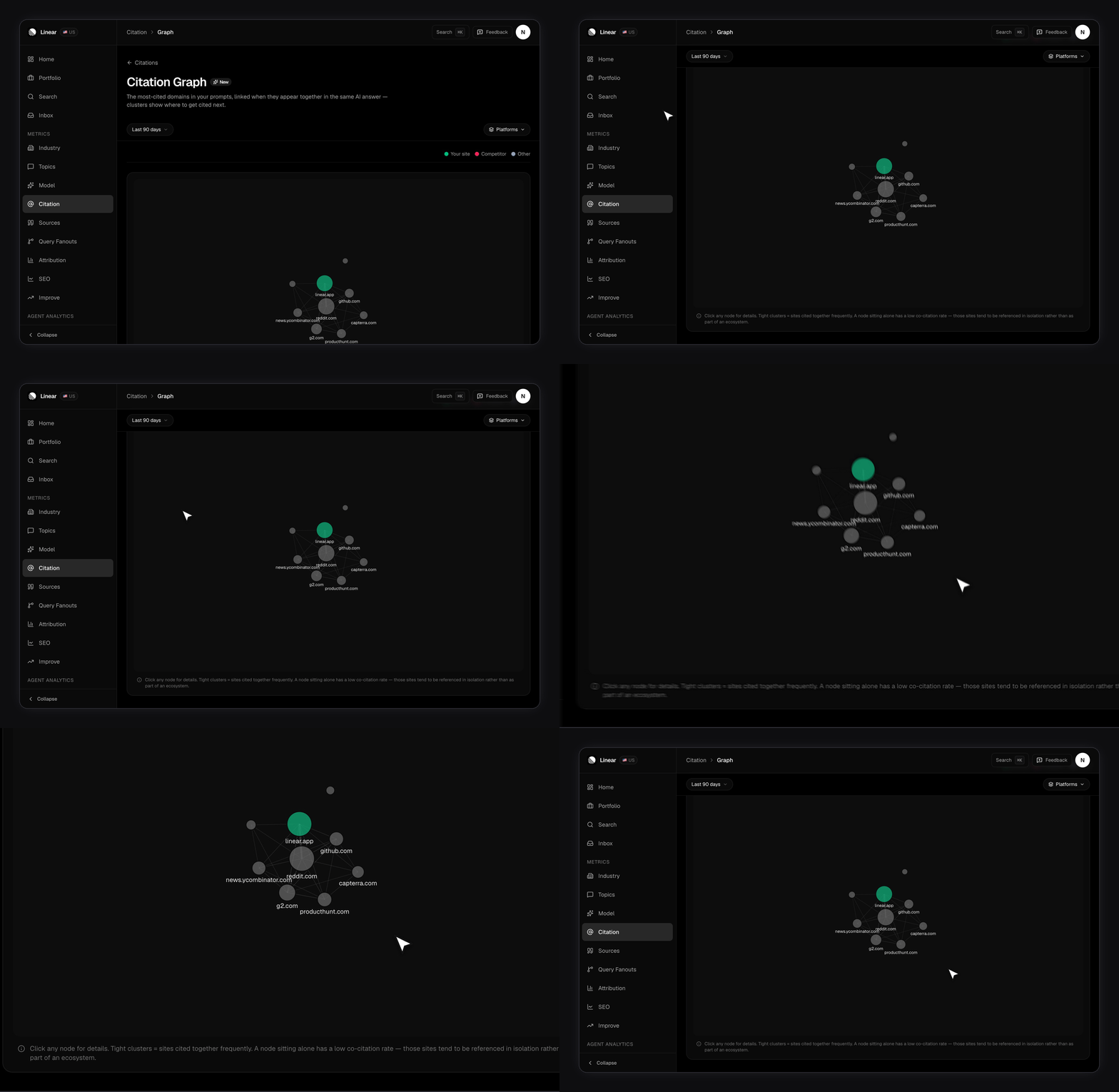
The View as graph button draws your most-cited domains as a network. Two domains connect when they appear in the same AI answer, and thicker lines mean they co-appear more often. Your site is green, competitors red, everything else grey.